De Укр En
De Укр En
event
back

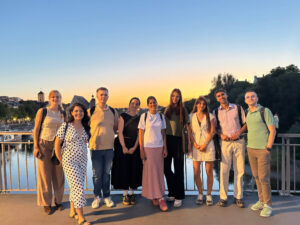
Ukrainian students at the DRC Summer School in Regensburg

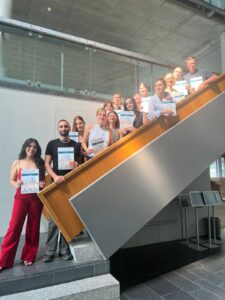
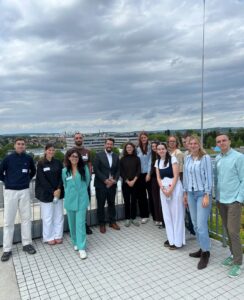
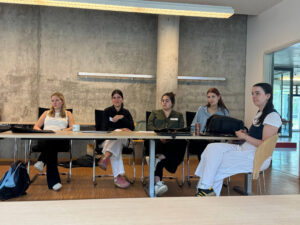
From 26 July to 1 August 2026, Regensburg hosted the 21st Danube Rectors’ Conference Summer School, “EU 36: Imagining Europe’s Future.” This year's programme explored what Europe might look like ten years from now and the opportunities and challenges of a European Union comprising 36 member states. The Summer School brought together 14 participants from nine countries, creating a space for intensive academic exchange and dialogue about Europe’s future.

Among the participants were Alina Leha and Kateryna Kumeiko, students of the International Information programme at the Faculty of International Relations. Together with young researchers and experts from across Europe, they explored four interconnected areas: geopolitics and international relations, economy and transformation, democracy and disinformation, and migration and demography.

EU enlargement served as the central thread running through the programme. Participants discussed different scenarios for Europe in 2036, examined the geopolitical context of further enlargement and considered how citizens could become more actively involved in shaping this process. Practical workshops invited participants to develop their own projects and communication initiatives aimed at encouraging informed public dialogue and bringing the idea of an enlarged EU 36 closer to its citizens.

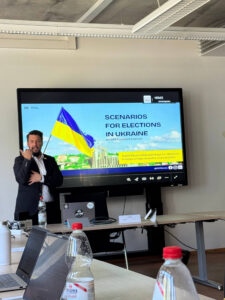
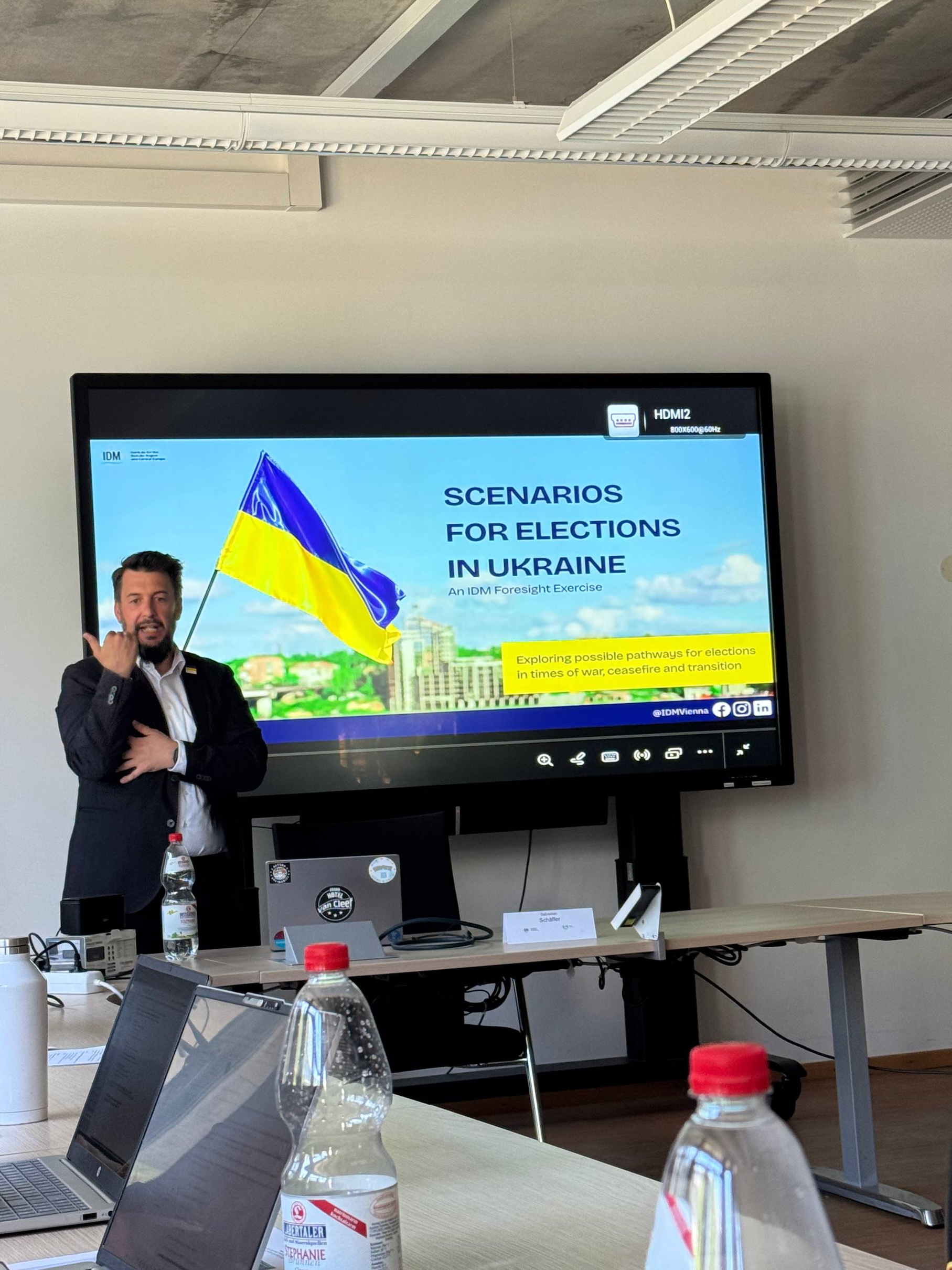
Ukraine featured prominently in these discussions. One session considered possible scenarios for future elections in Ukraine, taking into account the security situation, international support, potential legal changes and the participation of Ukrainians living abroad. Other sessions addressed European defence policy, migration and demographic change, the European Green Deal, transport decarbonisation, artificial intelligence and sustainability, as well as the economic opportunities and challenges associated with further EU enlargement.

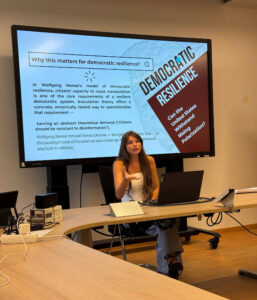
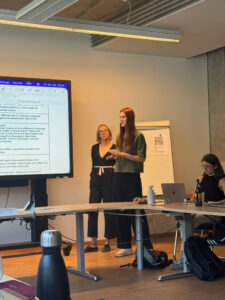
An important part of the programme was a parallel participant research track. Alina Leha presented her research “EU digital resilience / EU4DigitalUA: Democratic resilience, Disinformation and X-diplomacy.” Participants’ projects addressed a broad spectrum of issues, including labour mobility, migration narratives, digital disinformation and extremism, democratic resilience and EU-supported approaches to strengthening digital resilience. This format allowed young researchers not only to learn from invited experts but also to receive feedback and discover new perspectives for their own work.

“Participating in the DRC Summer School gave us an opportunity not only to gain a deeper understanding of how EU institutions function and the challenges facing the enlargement process, but also to expand our international academic network. The knowledge and insights gained can now be integrated into further research and analytical work in the field of international information relations.”
— based on the participants’ feedback

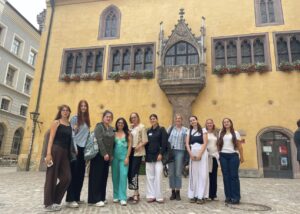
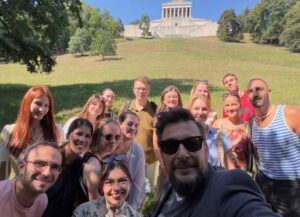
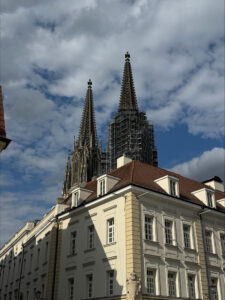
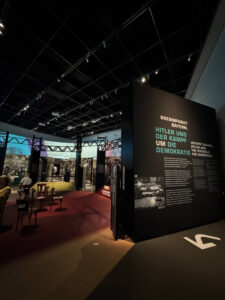
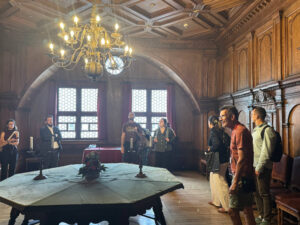
The academic programme was complemented by an opportunity to discover Regensburg and the cultural heritage of the region. Participants explored the city’s historic architecture, visited the Walhalla memorial and the House of Bavarian History, gaining additional insights into the historical context and heritage of Bavaria.

The DRC Summer School once again demonstrated the importance of international academic programmes that allow young researchers not only to acquire new knowledge but also to become active contributors to discussions about Europe’s future. Within a programme centred on EU 36, the Ukrainian perspective is particularly significant: for Ukraine, European integration is not simply a hypothetical scenario for 2036, but an ongoing political and societal transformation.

This year’s Summer School was made possible by a broad network of cooperation partners, including Ukraine Office Austria and the Austrian Cooperation Office in Lviv.

Pictures were provided by the participants.